


Don't Bet Your Home on Insurance
When I speak with residents about home hardening, I often hear the same response: “I have insurance. Why would I spend all that money removing hedges and the Italian cypress if my house will just get rebuilt anyway?”
On some level, it is hard to argue with that logic. Home hardening is not the most exciting way to spend hard-earned money. Removing mature hedges and trees that took years to establish can also mean giving up privacy on a lot that may already feel small and exposed.
But the reality is far more complicated than simply assuming insurance will make everything whole again.
Consider this recent New York Times article about the aftermath of the Palisades fire.
One of the most striking parts is the story of Marcela Silva:

“More than a year after the fire, some Palisades residents are still unsure they’ll ever be able to afford to return home.
For Marcela Silva, the weeks and months after the blaze were filled with urgent needs, both big and small: ‘Where am I going to live right now? I need a toaster oven right now.’ With those questions behind her, Ms. Silva said, figuring out the future is proving to be the hardest part.
Ms. Silva’s home in a part of the Palisades known as the Bluffs was her financial security.

After it burned down, she wasn’t able to get any assistance from the Federal Emergency Management Agency, and she is still going through tedious processes with her insurer, the California F.A.I.R. Plan. She has explored options for rebuilding, but isn’t sure she can afford a house similar to the one she got in her divorce in 2020 and that once stood valued at $4 million. She knows she is better off than some elderly and lower-income neighbors, but she also isn’t one of the ultra-wealthy Palisades residents the area is known for.
Even if she can afford to rebuild, she worries that the fire left behind toxic pollution and wonders if her new house would just feel like a matchbox waiting to burn.”
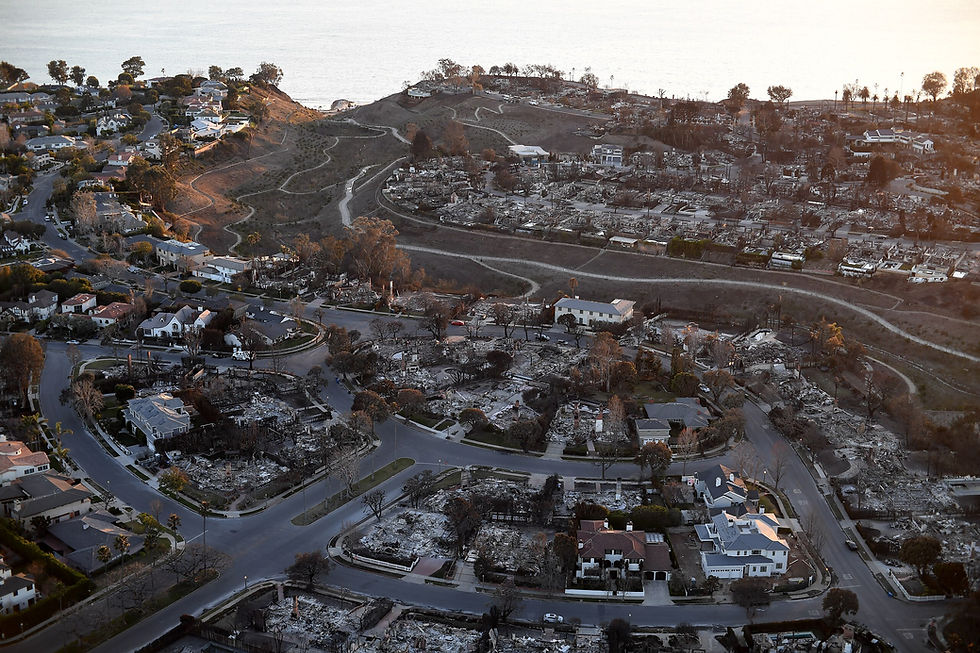
We often assume that when disaster strikes, insurance companies or the government will step in and make us whole. But what we are seeing in Pacific Palisades suggests otherwise. Recovery can mean years of bureaucracy, documentation, disputes, delays, and emotional exhaustion.
A friend of mine, Alan Cohen, lost his home in the Palisades fire. Over the past year, he has had to comb through old receipts and photographs just to prove to State Farm that he owned the items he lost. Imagine trying to document a lifetime of belongings after everything has already burned. Insurance companies may reimburse some losses, but they are unlikely to restore everything you had, and they certainly cannot restore your time, peace of mind, or sense of home.
That is why home hardening matters.
What may feel like an inconvenience today could pay enormous dividends in the event of a catastrophic fire. Simple improvements, such as installing ember-resistant mesh on attic, eave, and foundation vents, can significantly improve a home’s chances of surviving an ember storm. Spending a few thousand dollars now may save you years of your life later that would otherwise be spent fighting to rebuild, replace, and recover.
And beyond the financial cost, there is the emotional one: the loss of the home where your children played, where your family gathered, where milestones were celebrated, and where so many memories were made.
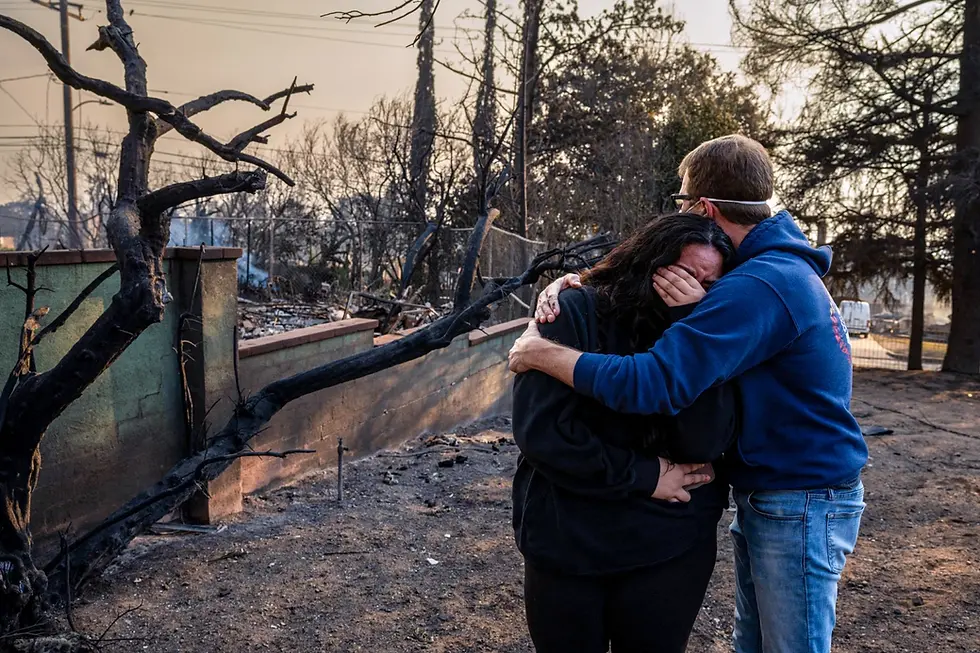
Home hardening is not just about protecting a structure. It is about protecting your time, your stability, your memories, and your future.
Comments